Thailand Customs Rules: What You Can and Can’t Bring Into the Country
Whether you’re heading to Thailand for a tropical holiday, an extended winter escape, or your first long-term stay as a digital nomad or retiree, it’s important to know what’s allowed — and what’s not — when it comes to Thai customs regulations. Because yes, Thailand is warm, welcoming, and relaxed in many ways, but customs laws are taken very seriously, and breaking them (even by accident) can turn your dream trip into a nightmare faster than you can say “Pad Thai.”
This guide breaks down everything you need to know about what you can, can’t, and shouldn’t even think about bringing across the border. We’ll also cover cash limits, duty-free allowances, red vs green lanes, and a few surprises you probably didn’t expect (looking at you, e-cigarettes).
Let’s dive in.
What You Absolutely CANNOT Bring Into Thailand
Let’s start with the big ones — the things that can get you into very serious trouble, including fines, prison time, or even the death penalty.
1. Narcotics (Any and All Forms)
This cannot be overstated: Thailand has a zero-tolerance policy on drugs.
Trying to bring in any kind of illegal drug — even small amounts — can result in the death penalty under Thai law. This includes substances like heroin, cocaine, methamphetamine, and even some prescription drugs that may be considered controlled substances in Thailand.
If you’re traveling with medication, especially for mental health, pain, or sleep disorders, double-check if your prescription is legal in Thailand. Some medications that are normal in other countries (like ones containing codeine or pseudoephedrine) may be banned or require advance approval.
Tip: Bring a doctor’s note and the original prescription, and keep everything in original packaging.
2. Psychotropic Substances and Precursors
Even if it’s not a recreational drug, Thailand bans substances used in the production of narcotics or stimulants — things like ephedrine, certain amphetamine precursors, and related compounds.
Don’t risk it. If you’re unsure whether your supplements or meds fall into this category, better to leave them at home or contact the Thai embassy in your country before traveling.
3. Weapons and Ammunition (Without Permission)
Firearms, explosives, and ammunition are strictly regulated. You cannot bring them into Thailand unless you have written permission from the Royal Thai Police or Ministry of Interior — and no, that’s not something you can just sort out at the airport.
Even replicas, airsoft guns, and certain types of knives can cause issues. If it even looks like a weapon, assume you’ll need approval.
What Else Is Forbidden? (You Might Be Surprised)
4. Adult Toys and Pornographic Material
This surprises many visitors, but yes — sex toys and pornography are banned in Thailand. Customs will confiscate any objects or content that simulate genitalia or are deemed “obscene,” including certain books, magazines, and videos.
Thailand is more conservative in many areas than people expect. Don’t assume that just because the nightlife in places like Pattaya or Bangkok seems wild, the laws are relaxed. They’re not.
5. Electronic Cigarettes and Vapes
This one catches a lot of travelers off guard. E-cigarettes and vaping devices are illegal in Thailand — not just to import, but even to use in public.
Yes, seriously. You can be fined up to four times the value of the item, or even face up to 5 years in prison. Some reports say the ban is due to health concerns; others say it’s related to taxes. Either way, leave the vape at home.
6. Counterfeit Goods and Pirated Media
If you’re bringing in a suitcase full of knockoff designer bags or fake branded clothes, expect problems at customs. Thailand takes intellectual property rights seriously when it comes to imports. The same goes for pirated DVDs or software.
7. Endangered Species and Related Products
Items made from ivory, rare animals, protected plants, or animal parts are a huge no-no. Even if it’s just a decorative item or a souvenir from another country, it’s not worth the risk.
Thailand is part of international agreements to protect wildlife, and customs enforces them strictly.
8. Dog Breeds That Are Banned
Planning to move to Thailand with your furry friend? Great — but check the breed first. Thailand does not allow the import of certain aggressive breeds, including:
- Pit Bull Terriers
- American Staffordshire Terriers
If your dog falls into these categories, unfortunately, they will not be allowed into the country, even with documentation.
What You CAN Bring Into Thailand (Within Limits)
Now let’s talk about the good news — the things you’re allowed to bring in, as long as you follow the rules.
1. Personal Belongings and Electronics
Bringing your laptop, camera, phone, tablet, or even a drone? That’s fine — as long as they’re clearly for personal use, and not for resale.
The general rule is that your total belongings shouldn’t exceed 10,000 Thai baht in value (around $280 USD). If you’re bringing in new, packaged electronics, unbox them before traveling to avoid suspicion that they’re for commercial purposes.
2. Alcohol and Tobacco (Limited Quantities)
Thailand allows travelers aged 20+ to bring:
- Up to 1 liter of alcohol (yes, just 1 bottle!)
- Up to 200 cigarettes (or 250 grams of tobacco)
Important: If you bring more than this, even just a couple of extra bottles, customs can seize all of it and fine you heavily. They are strict about this, especially at airports like Suvarnabhumi and Phuket.
Also — if you’re carrying multiple cartons of cigarettes, don’t put them all in one suitcase. Customs may assume you’re planning to sell them. Spread them across bags and fellow travelers if needed.
How Much Cash Can You Bring?
Thailand doesn’t limit the amount of cash you can bring into the country — you could walk in with a million baht, and no one will stop you.
But there are rules:
- If you’re bringing more than $20,000 USD (or equivalent) into or out of Thailand, you must declare it at customs.
- If you’re taking cash to a neighboring country (Cambodia, Laos, Vietnam, Myanmar, Malaysia), the maximum is 500,000 Thai baht — anything over that is illegal unless declared.
Also, you must declare any amount over 50,000 baht if you’re taking it out of the country, regardless of destination.
Failure to declare can lead to seizure of funds and legal trouble.
Customs Declarations: Green or Red Lane?
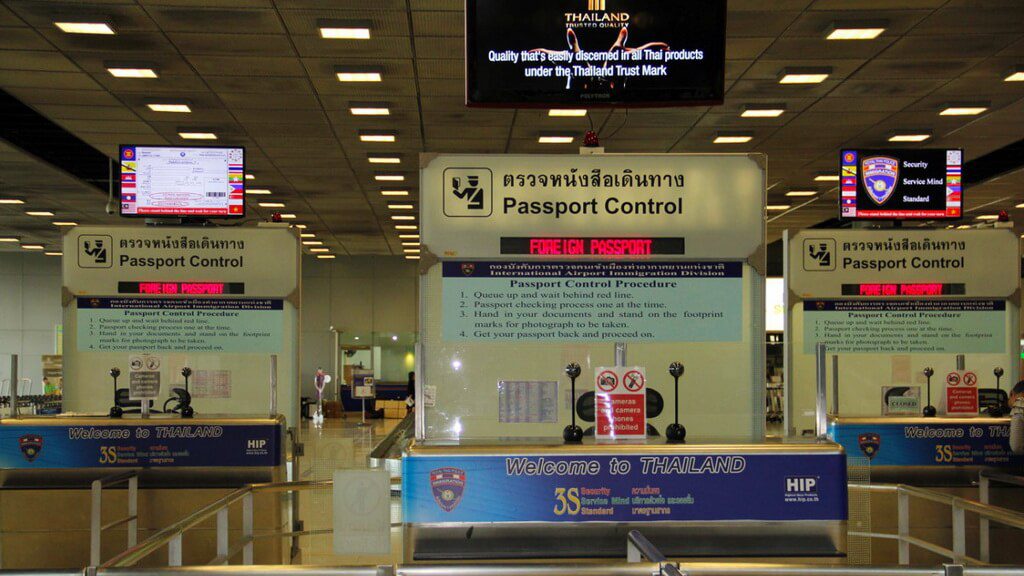
Once you land in Thailand, you’ll pass through customs, which has two types of lanes:
✅ Green Channel: “Nothing to Declare”
Use this if:
- You’re not carrying any restricted or dutiable items
- You’re within the alcohol and cigarette limits
- You’re not carrying more than $20,000 USD in cash
- You’re not bringing anything for sale
It’s fast, and usually you’ll walk right through without issue.
Red Channel: “Goods to Declare”
Use this if:
- You’re carrying more than allowed quantities of alcohol or tobacco
- You have new items exceeding 10,000 baht in value
- You’re bringing in cash over the limit
- You’re not sure about something
Don’t try to cheat the system — random checks happen, and penalties are severe. It’s better to declare and pay a small duty than lose your items or face fines.
VAT Refund for Tourists
If you do some serious shopping in Thailand and want to claim back the VAT (7%), you’ll need to:
- Shop at stores that display a “VAT Refund for Tourists” sign
- Spend at least 2,000 THB per store, per day
- Keep your receipts
- Fill out the PP10 VAT Refund form
- Present items, receipts, and passport at the airport before check-in on departure day
Only works at major international airports, and you must leave Thailand within 60 days of the purchase.
Temporary Exports and Re-entry With the Same Items
If you’re planning to leave Thailand and return later with the same high-value items (like a camera or laptop), you may want to declare them on the way out. This way, when you return, customs won’t think you’re importing them new and hit you with a duty.
Ask about temporary export forms at the customs counter at the airport — not always necessary, but helpful for expensive gear.
Traveling With Pets
Thailand generally allows pets, but you’ll need:
- A health certificate (issued within 7 days of travel)
- Vaccination records (especially rabies)
- An import permit from the Thai Department of Livestock Development
Important: Some airlines have breed restrictions. And as mentioned earlier, certain dog breeds are banned entirely.
For exotic animals and birds, things get more complicated — permits, quarantine, and more. Always check with the embassy before traveling.
Final Tips and Reminders
- Don’t bring anything you wouldn’t want confiscated.
If it’s expensive, questionable, or makes you go “hmm,” think twice. - Declare, don’t hide.
Trying to sneak items in is not worth the risk. Customs officers are well-trained and have X-ray scanners. - Keep receipts and original packaging.
Especially for new electronics or designer items — it helps prove they’re for personal use. - Avoid gray areas.
Even items like drones, supplements, and cosmetics can raise questions. Research in advance.
Wrapping It Up
Thailand is one of the most magical, diverse, and vibrant places you can visit or live — but don’t let a customs mistake ruin your trip.
If you understand and follow the rules, it’s smooth sailing (or smooth flying). Keep this guide handy, pack mindfully, and you’ll breeze through Thai customs like a pro.
Happy travels — and welcome to the Land of Smiles! 😊